
ADHD Is Not a Deficit—It’s a Different Operating System
The ADHD neurodiversity movement is gaining momentum. ADHD has long been framed as a disorder—a deficit in attention, a hyperactivity problem, a neurological misfire that needs fixing. But what if that narrative is missing the bigger picture?
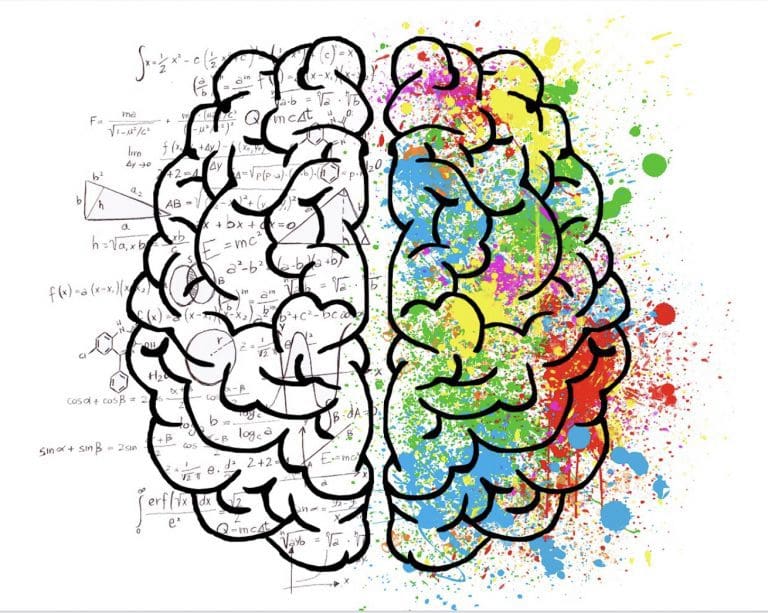
The neurodiversity movement challenges the idea that ADHD is purely a medical problem. Instead, it suggests that ADHD is a natural variation of the human brain, one that comes with challenges, yes, but also with a unique set of strengths. ADHD minds don’t just function differently; they innovate, create, and disrupt the status quo in ways neurotypical minds often don’t.
While the world may not always be built for neurodivergent brains, that doesn’t mean ADHD is a flaw. It means we need to rethink how we define intelligence, productivity, and success.
Let’s talk about the power of an ADHD brain.
1. ADHD and Creativity: The Mind That Thinks in Possibilities
ADHD brains are wired for out-of-the-box thinking. Studies suggest that individuals with ADHD have higher levels of divergent thinking—a cognitive process associated with creativity and innovation (White & Shah, 2011).
While neurotypical brains may follow linear thought patterns, ADHD minds jump between ideas, make unexpected connections, and think in webs instead of straight lines. This often leads to groundbreaking ideas in fields like art, science, and entrepreneurship.
Why ADHD Creativity Is a Superpower
- Hyperassociative Thinking: ADHD brains make unique connections, seeing links between seemingly unrelated ideas.
- Risk-taking in ideas: People with ADHD are more likely to challenge norms and push creative boundaries.
- Energetic brainstorming: ADHD minds thrive in environments that allow free-flowing, fast-paced idea generation.
Famous Creative ADHD and Neurodiversity Minds:
- Leonardo da Vinci – Often speculated to have ADHD, he left behind countless unfinished projects but was also one of the greatest creative minds in history.
- Richard Branson – The billionaire entrepreneur behind Virgin Group credits his ADHD for his innovative, risk-taking nature.
- Michael Phelps – The most decorated Olympian of all time, who used his ADHD-driven hyperfocus to dominate his sport.
If you have ADHD, don’t underestimate the power of your brain’s natural tendency to think differently. Creativity isn’t a side effect of ADHD—it’s a core feature.
2. Hyperfocus: ADHD’s Secret Weapon for Productivity
ADHD is often associated with distractibility, but few people talk about the other side of the coin: hyperfocus.
Hyperfocus is an intense, deep state of concentration where the rest of the world seems to disappear. When an ADHD brain finds something truly engaging, it can dive in for hours, achieving levels of focus neurotypical minds struggle to reach.
ADHD Neurodiversity Movement: How Hyperfocus Can Be a Superpower–
- Mastery of skills: ADHD individuals often develop deep expertise in their areas of interest because they can lose themselves in learning.
- Unmatched productivity: When aligned with passion, hyperfocus can lead to incredible bursts of efficiency.
- Deep problem-solving: ADHD brains thrive in complex, immersive challenges.
Example: Many software developers, musicians, and researchers with ADHD report being able to work for hours or days at a time when their brain locks onto something they love. The challenge isn’t ability—it’s finding the right work that aligns with ADHD strengths.
If you have ADHD, hyperfocus isn’t something to fight. It’s something to harness.
3. High Energy and Adaptability: Thriving in Fast-Paced Environments
ADHD brains thrive in high-energy, fast-moving environments. Many people with ADHD report struggling with routine, but excelling in jobs or situations that require adaptability, quick decision-making, and dynamic thinking.
Why ADHD Minds Excel in Fast-Paced Environments:
- Fast thinkers: ADHD brains process information quickly, often spotting solutions before others do.
- Adaptable problem solvers: They thrive in crisis situations where quick thinking is needed.
- Energetic drive: Many with ADHD have an unstoppable work ethic when engaged in something stimulating.
Ideal Careers for Neurodiversity and ADHD Minds:
- Entrepreneurs
- Emergency responders (paramedics, firefighters)
- Creative professionals (filmmakers, artists, musicians)
- Sales and marketing roles
- Journalists, writers, and researchers
Instead of forcing ADHD minds to fit into slow, structured work models, why not build work models that fit ADHD minds?
4. ADHD and Emotional Intelligence: Deep Empathy and Intuition
ADHD individuals often experience emotions more intensely than neurotypical individuals. While this can sometimes feel overwhelming, it’s also one of ADHD’s greatest strengths.
Many people with ADHD have strong intuition and emotional intelligence, making them excellent in leadership, coaching, counseling, and caregiving roles.
How ADHD Enhances Emotional Intelligence:
- High empathy: Many ADHD individuals deeply understand and connect with others’ emotions.
- Intuitive decision-making: ADHD minds are highly perceptive and often make fast, gut-based decisions that turn out to be correct.
- Passionate advocacy: Many ADHD individuals become strong advocates for social causes, fueled by their strong sense of justice.
ADHD doesn’t just affect attention—it affects how people experience the world emotionally. And in a world that needs more compassion and understanding, ADHD emotional intelligence is a gift.
5. Resilience: ADHD Minds Are Built for Challenge
People with ADHD face more challenges than most—struggles in school, misunderstandings, being labeled as lazy or difficult. But the flip side of constant struggle is resilience.
ADHD individuals are often incredibly strong-willed, determined, and able to bounce back from setbacks. The ability to keep going despite adversity is a major advantage in entrepreneurship, creative fields, and any career that requires persistence.
ADHD and Grit:
- Bouncing back quickly: ADHD individuals often fail fast, learn fast, and try again.
- Thriving in uncertainty: Many handle uncertainty well, making them great in unpredictable situations.
- Rejection-sensitive but driven: ADHD individuals often use their emotional intensity as motivation to prove themselves.
Struggle builds resilience, and ADHD minds are some of the most resilient out there.
Conclusion: ADHD Is an Asset, Not a Liability
The world may not always be designed for ADHD, but that doesn’t mean ADHD is broken. It means the world needs to change its perspective.
ADHD minds are creative, passionate, resilient, emotionally intelligent, and hyperfocused when engaged. They thrive in the right environments, and when given the space to flourish, they change the world.
Instead of asking, How do we fix ADHD?, maybe we should be asking:
👉 How do we help ADHD minds thrive?
What’s Your ADHD Strength?
If you have ADHD, what strengths have you discovered about yourself? Drop a comment below and let’s talk about the power of ADHD. Join our ADHD community for inspiration, ADHD Hacks and more.
Sources:
- White, H. A., & Shah, P. (2011). Creative style and achievement in adults with attention-deficit/hyperactivity disorder. Personality and Individual Differences, 50(5), 673-677.
- Brown, T. E. (2009). Attention Deficit Disorder: The Unfocused Mind in Children and Adults.